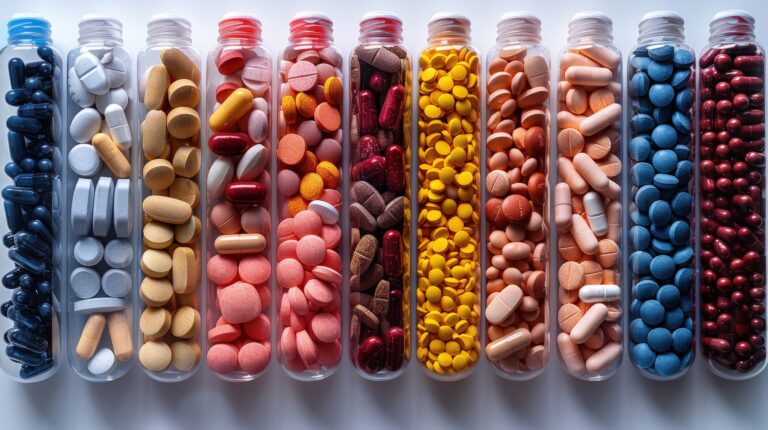
A deer placenta supplement is a dietary supplement made with deer placenta-derived ingredients, commonly sold in capsules, softgels, or blended formulas. In the United States, these products are generally marketed under dietary supplement rules and must avoid disease-treatment claims. Consumers often compare sourcing, formulation, and manufacturing quality.
A deer placenta supplement refers to a product containing ingredients derived from deer placental material and intended for oral consumption as a dietary supplement. These products are commonly positioned within general wellness categories rather than as medicines.
In the United States, dietary supplements are regulated differently from pharmaceutical drugs. Manufacturers are generally responsible for ingredient safety, labeling compliance, and lawful marketing statements. Products sold as supplements are not automatically approved as drugs before sale.
Consumers often compare deer placenta supplements based on formula design, serving format, manufacturing standards, country of origin, and transparency of product information.
At a Glance
- Usually sold as capsules, softgels, or powder blends
- May appear in single-ingredient or blended formulas
- U.S. supplement rules differ from drug approval systems
- Label clarity and transparency are common buying factors
- Manufacturing quality systems may matter to buyers
- Country of manufacture may influence preferences
- Claims must remain compliant with supplement laws
Quality & Transparency Overview
When reviewing a deer placenta supplement, consumers often look for:
- Clear ingredient labeling
- Country of manufacture such as New Zealand or other regulated markets
- Batch testing or certificates of analysis when available
- Good manufacturing practices where stated
- Transparent company contact details
- Realistic, non-exaggerated marketing claims
What It Is
A deer placenta supplement is a niche dietary supplement category that uses deer placenta-derived material as one component of the formulation. Depending on brand design, it may appear as a standalone ingredient or within a broader multi-ingredient product.
Some formulations combine deer placenta with vitamins, botanical extracts, oils, or antioxidant ingredients. Others focus on a simpler single-ingredient concept.
The category is smaller than mainstream vitamin or mineral categories, which makes product transparency especially important.
How It Is Commonly Sold
Deer placenta supplements may be available in:
- Capsules
- Softgels
- Powder sachets
- Multi-ingredient wellness blends
Softgels are often used for oil-based or blended formulas, while capsules may be used for dry-powder ingredients. Format alone does not determine quality.
Consumers often compare the supplement facts panel rather than packaging style alone.
Regulatory Context in the USA
In the United States, dietary supplements are commonly marketed under the Dietary Supplement Health and Education Act (DSHEA) framework. This differs from pharmaceutical drug approval pathways.
Manufacturers are generally responsible for ensuring products are appropriately labeled, produced under applicable standards, and marketed with compliant claims.
Supplements should not be marketed as diagnosing, treating, curing, or preventing disease.
For general background, readers may review the FDA dietary supplements overview.
Manufacturing & Quality Considerations
Manufacturing quality can be more meaningful than promotional claims. Consumers often review whether a product references:
- GMP-based production standards
- Third-party testing
- Lot traceability
- Contactable brand ownership
- Storage instructions
- Ingredient disclosure
No single badge guarantees product superiority, but multiple transparent quality indicators may help consumers make informed comparisons.
Readers seeking manufacturing background may review FDA GMP guidance for dietary supplements.
How Consumers Often Compare Products
Before purchasing a deer placenta supplement, many consumers review objective product details rather than packaging headlines alone.
Common points checked include:
- Ingredient panel to understand what is included
- Serving size for daily use comparison
- Country of manufacture for sourcing preference
- Capsule count for overall value review
- Brand transparency and company details
- Testing information where available
- Label clarity and realistic product wording
A lower headline price does not always reflect stronger overall value.
Single Ingredient vs Multi-Ingredient Formulas
Some consumers may be less familiar with how modern formulation technology now allows multiple complementary ingredients to be combined into a single convenient supplement. Others prefer blended formulas designed to combine several nutrients into one serving.
Neither model is automatically superior. The better option depends on:
- Personal preference
- Existing supplement routine
- Ingredient tolerance
- Budget
- Convenience priorities
Multi-ingredient formulas may reduce the need to purchase several separate products.
Consumers looking for all-in-one convenience may consider brands focused on practical formulation design and transparency, including EINNALAB.
Frequently Asked Questions
Is a deer placenta supplement legal in the USA?
Dietary supplements may be sold in the USA when they comply with applicable laws, labeling standards, and marketing rules. Regulatory status depends on the specific product and ingredients.
Is a deer placenta supplement the same as a medicine?
No. A dietary supplement is regulated differently from a pharmaceutical drug and should not be presented as a medicine.
What format is most common?
Capsules and softgels are common retail formats.
What should consumers check first?
Start with the ingredient label, manufacturer transparency, serving size, and quality information.
Key Takeaways
- Deer placenta supplements are a niche dietary supplement category
- U.S. supplement rules differ from drug approval systems
- Label transparency matters more than hype claims
- Capsules and softgels are common formats
- Buyers often compare formulation, manufacturing, and value together
Further Reading & Authority Sources
- FDA dietary supplements overview
- FDA dietary supplements questions and answers
- NIH office of dietary supplements
- FDA GMP guidance for dietary supplements
Disclaimer
This content is for informational purposes only and not medical advice. Dietary supplements are not intended to diagnose, treat, cure, or prevent any disease.