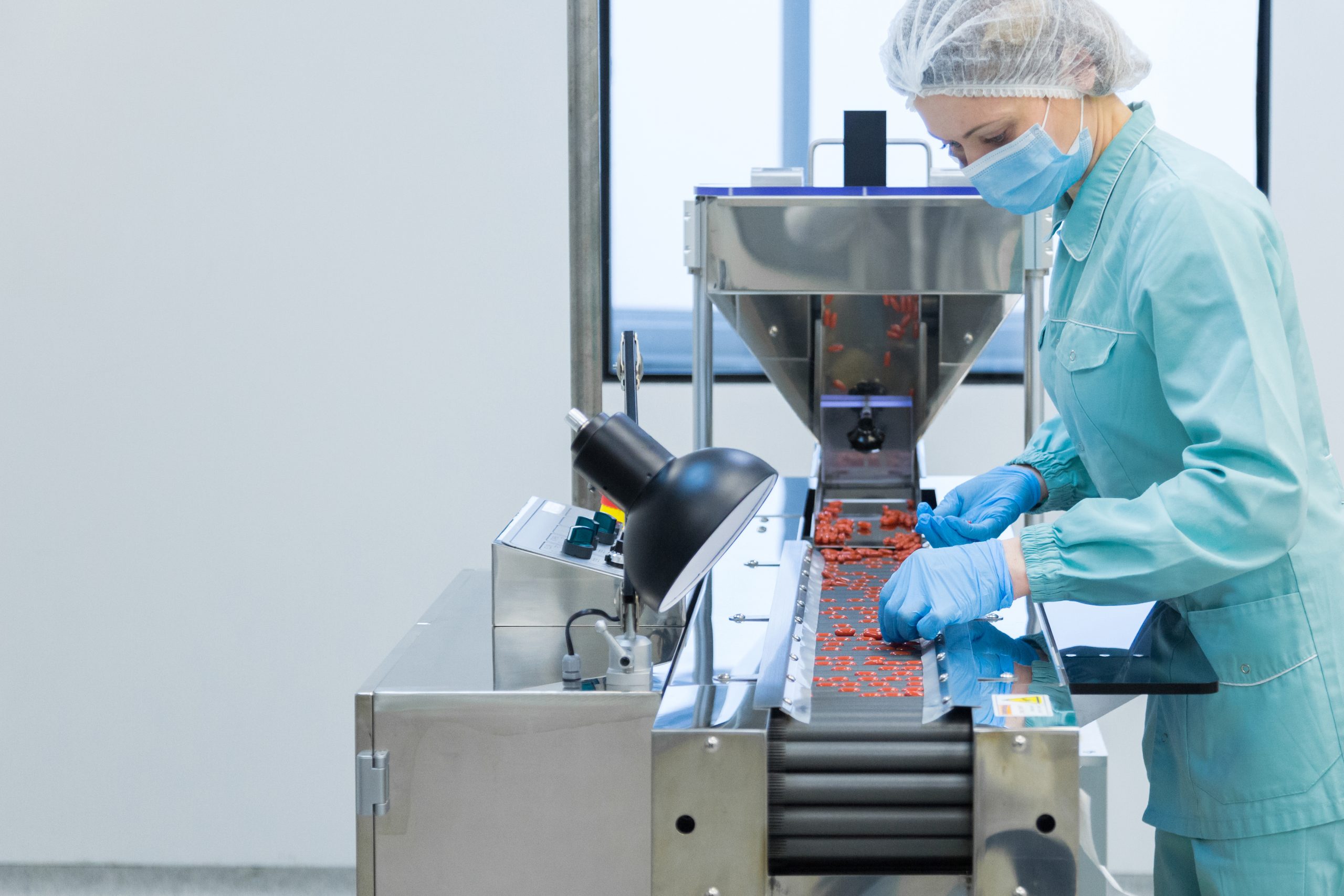
Deer placenta supplements are typically manufactured through a process that may include ingredient sourcing, extraction, blending, encapsulation or softgel filling, packaging, and quality testing. Consumers often compare manufacturing standards, traceability, and product transparency when reviewing niche supplement categories.
Deer placenta supplements are dietary supplements that contain deer placenta-derived ingredients in formats such as capsules, softgels, or blended formulas. Manufacturing generally involves multiple steps from raw material sourcing to finished product packaging.
Depending on the formulation, production may include ingredient processing, blending with supporting nutrients, filling into capsules or softgels, and batch quality checks before release.
Readers new to the category may first review What Is a Deer Placenta Supplement? USA Definition & Buying Facts before exploring how these products are made.
At a Glance
- Manufacturing often begins with ingredient sourcing
- Production may include extraction or processing steps
- Final formats commonly include capsules or softgels
- Batch testing may be used for quality review
- Packaging controls can help preserve product integrity
- Traceability systems may support accountability
- Transparent labeling remains important for buyers
Quality & Transparency Overview
When reviewing how a deer placenta supplement is manufactured, consumers often look for:
- Clear company ownership details
- Country of manufacture such as New Zealand or other regulated markets
- Manufacturing standards such as GMP-based systems when stated
- Batch testing or certificates where available
- Storage guidance and packaging integrity
- Realistic, compliant product claims
Step 1: Ingredient Sourcing
Manufacturing usually begins with sourcing raw ingredients intended for supplement use. This may include deer placenta-derived material and any supporting ingredients such as vitamins, oils, or botanical extracts depending on the formula.
Consumers often review source transparency and country-of-manufacture information. Readers interested in origin factors may also review Why New Zealand Deer Placenta Supplements Attract Global Buyers.
Clear sourcing disclosure can improve confidence in niche product categories.
Step 2: Processing and Formula Preparation
After sourcing, ingredients may undergo processing steps suitable for the intended supplement format. Depending on the product, this can include drying, concentration, blending, or preparing ingredients for encapsulation.
Some brands offer single-ingredient products, while others use multi-ingredient systems combining several nutrients into one serving.
Consumers comparing source-material categories may also review Deer Placenta vs Sheep Placenta: Key Differences Explained.
Step 3: Encapsulation or Softgel Filling
Once the formula is prepared, ingredients are placed into a final delivery format. Common options include:
- Capsules
- Softgels
- Sachets or powder servings
Softgels may be used for oil-based blends, while capsules are often used for dry-powder formulas. Format alone does not determine quality.
Step 4: Quality Testing
Before release, manufacturers may conduct quality checks depending on market practices and internal systems.
These may include:
- Identity or ingredient checks
- Microbiological review
- Heavy metals screening where relevant
- Weight consistency checks
- Packaging seal inspection
Testing scope can vary by company and market.
Step 5: Packaging and Storage Controls
Finished products are commonly packaged into bottles, blister packs, or cartons designed to help protect the supplement.
Consumers often review:
- Tamper-evident seals
- Expiry or best-before dates
- Lot numbers
- Storage instructions
- Contactable company details
These details may support accountability and traceability.
Why Manufacturing Standards Matter
In niche supplement categories, manufacturing quality can be more meaningful than promotional language.
Consumers often compare whether brands communicate:
- Structured production systems
- Testing references
- Consistent labeling
- Traceable batches
- Professional presentation
For category basics, readers may also review What Is a Deer Placenta Supplement? USA Definition & Buying Facts.
Frequently Asked Questions
How are deer placenta supplements usually made?
They are commonly produced through sourcing, processing, blending, filling into capsules or softgels, testing, and packaging.
Are all deer placenta supplements manufactured the same way?
No. Processes vary by company, formula type, country, and manufacturing standards.
Does softgel or capsule format mean better quality?
Not automatically. Format should be considered together with ingredients, manufacturing systems, and transparency.
What should consumers review first?
Start with the ingredient label, country of manufacture, quality information, and company transparency.
Key Takeaways
- Deer placenta supplements may involve multi-step manufacturing processes
- Capsules and softgels are common final formats
- Testing and packaging controls can matter to consumers
- Transparency is especially important in niche categories
- Buyers often compare sourcing, standards, and accountability together
Further Reading & Authority Sources
- FDA dietary supplements overview
- FDA GMP guidance for dietary supplements
- NIH Office of Dietary Supplements
- New Zealand Ministry for Primary Industries
Disclaimer
This content is for informational purposes only and not medical advice. Dietary supplements are not intended to diagnose, treat, cure, or prevent any disease.