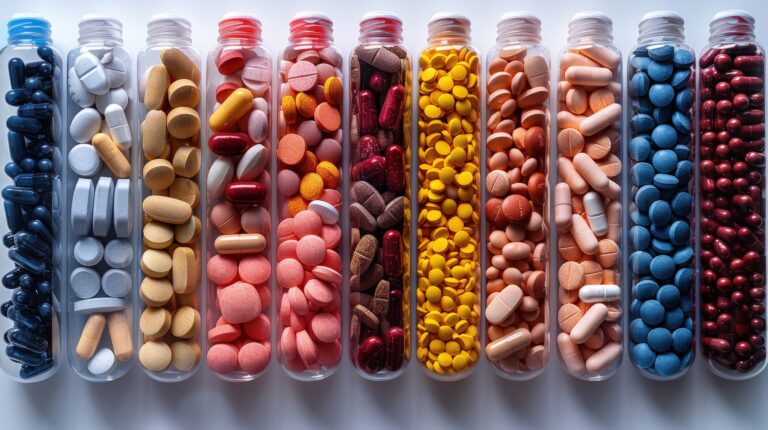
A 100:1 deer placenta extract label claim generally refers to a concentration ratio used during extraction, meaning a larger amount of starting raw material was processed to produce a smaller amount of extract. It does not automatically indicate superiority, potency, or total product quality.
Many consumers notice ratio claims such as 100:1 deer placenta extract on supplement labels and assume higher numbers always mean a better product. In practice, extract ratios are only one part of product evaluation.
A ratio usually describes a manufacturing concentration process rather than the final capsule weight alone. Buyers often benefit from reviewing the full label, actual extract amount, serving size, formula design, and company transparency.
Readers new to the category may first review What Is a Deer Placenta Supplement? USA Definition & Buying Facts.
At a Glance
- 100:1 usually refers to an extraction ratio.
- Higher ratios do not automatically mean better quality.
- Labels should also show actual extract quantity.
- Formula design matters beyond one number.
- Serving size remains important.
- Transparent labeling helps informed comparison.
- Ratios are one factor, not the whole story.
Quality & Transparency Overview
When reviewing extract ratio claims, informed buyers often compare:
- Clear explanation of the ratio.
- Actual extract amount per serving.
- Full ingredient disclosure.
- Serving size information.
- Manufacturing standards where stated.
- Company transparency.
- Realistic product positioning.
Readers interested in broader buying factors may also review Best Deer Placenta Supplement Buying Checklist for 2026.
1. What Does 100:1 Mean?
A 100:1 ratio commonly indicates that 100 parts of starting raw material were used to produce 1 part concentrated extract.
This is generally a production ratio, not a guarantee of effectiveness.
For example, it may describe how raw material was processed before being added to the final formula.
2. Does a Higher Ratio Always Mean Better?
Not automatically.
A higher number may indicate concentration, but product quality can also depend on:
- Raw material quality.
- Extraction methods.
- Formula stability.
- Serving size.
- Supporting ingredients.
- Manufacturing standards.
Buyers often review the full product rather than one claim alone.
3. Why Brands Use Ratio Claims
Some supplement brands use extract ratios to help explain concentration methods or ingredient positioning.
Ratios may also help distinguish extracts from raw powder ingredients.
However, labels should present these claims clearly and responsibly.
A ratio can be useful information, but it should be viewed as one detail within the full formula. Clear labels and transparent product design often matter more than the largest number on the bottle.
4. Check the Actual Extract Amount
Two products may both mention 100:1 extract, yet still differ significantly.
Consumers often review:
- Milligrams of extract per serving.
- Number of capsules required.
- Daily serving size.
- Other included ingredients.
This context can matter more than the ratio alone.
Readers interested in label comparison may also review Deer Placenta Supplement Ingredients Guide: What Common Formulas Include.
5. Formula Design Still Matters
Some products use a single-ingredient approach. Others combine deer placenta extract with additional nutrients or botanical ingredients.
Many consumers compare:
- Single ingredient simplicity.
- Multi-ingredient convenience.
- Broader formula structure.
- Daily routine practicality.
Readers may compare styles in Multi-Ingredient Deer Placenta Formulas vs Single Ingredient Options.
6. Manufacturing Standards Matter Too
A ratio claim does not replace quality systems.
Buyers often review whether a product references:
- GMP-based systems.
- Structured production environments.
- Testing practices where stated.
- Lot or batch traceability.
- Professional packaging controls.
Readers interested in production quality may also review How Deer Placenta Supplements Are Manufactured and Tested.
7. Be Cautious of Overstated Claims
Use caution if a product suggests that a ratio alone guarantees dramatic outcomes.
Many informed buyers prefer brands focused on:
- Realistic communication.
- Formula transparency.
- Responsible positioning.
- Clear serving information.
Readers interested in market rules may also review Regulatory Guide to Deer Placenta Supplements: USA, Singapore, Global.
8. How Buyers Can Compare Ratio Claims More Carefully
Instead of asking only “Which ratio is highest?”, many consumers compare:
- Is the label clear?
- What is the actual extract amount?
- What is the serving size?
- Is the formula practical for daily use?
- Does the company appear transparent?
That often gives a more balanced view.
Frequently Asked Questions
What does 100:1 deer placenta extract mean?
It usually refers to a concentration ratio used during manufacturing.
Is 100:1 stronger than lower ratios?
Not automatically. Final product quality depends on multiple factors.
Should I focus only on extract ratio?
Many buyers prefer to review serving size, formula design, and transparency as well.
Does ratio guarantee results?
No. Ratio claims alone do not guarantee any specific outcome.
Key Takeaways
- 100:1 commonly refers to extraction concentration ratio.
- Higher ratios do not automatically mean better products.
- Actual extract amount also matters.
- Quality systems remain important.
- Transparent labels help buyers compare more effectively.
Further Reading & Authority Sources
· FDA dietary supplements overview
· FDA GMP guidance for dietary supplements
· NIH Office of Dietary Supplements
· Health Sciences Authority guidance resources
· New Zealand Ministry for Primary Industries
Disclaimer
This content is for informational purposes only and not medical advice. Dietary supplements are not intended to diagnose, treat, cure, or prevent any disease.