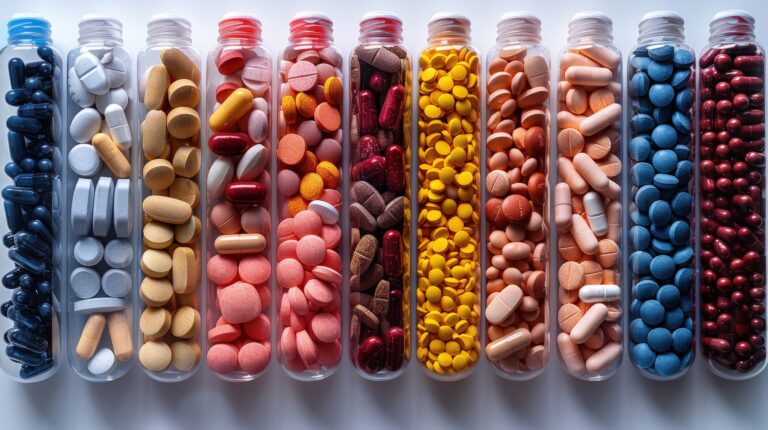
Deer placenta is the placental tissue of deer, used in dietary supplements as processed powders or extracts, typically in capsules or softgels. These supplements vary in ingredients, extract ratios, and manufacturing standards.
Deer placenta supplements are marketed for general wellness, although scientific evidence supporting specific health benefits in humans remains limited. This guide explains their composition, safety, scientific evidence, and how to compare product quality before buying.
For more information, read What Is A Deer Placenta Supplement ? USA Definition & Buying Facts
At a Glance
- Deer placenta supplements are commonly sold as capsules or softgels
- Formula design varies significantly by brand
- Multi-ingredient formulas may offer broader convenience than single-ingredient products
- Country of manufacture may influence preferences
- Transparent labels help informed comparisons
- Claims should remain realistic and compliant
- Quality standards can matter more than packaging style
Quality & Transparency Overview
When reviewing a deer placenta supplement, informed consumers often look for:
- Full ingredient disclosure
- Country of manufacture such as New Zealand or other stated markets
- Manufacturing standards where stated
- Batch testing or certificates where available
- Clear serving size information
- Responsible company details
- Realistic product positioning
Readers interested in manufacturing origin may also review Why New Zealand Deer Placenta Supplements Attract Global Buyers.
What Is a Deer Placenta Supplement?
A deer placenta supplement is a dietary supplement containing processed deer placenta, typically formulated as a powder or extract in capsules or softgels. Products vary in extract concentration, ingredients, and manufacturing methods.
Deer placenta contains naturally occurring biological compounds and is used in dietary supplements. However, research demonstrating specific health benefits from oral deer placenta supplementation in humans remains limited.
Readers comparing source categories may also review Deer Placenta vs Sheep Placenta: Key Differences Explained.
Single Ingredient vs Multi-Ingredient Formulas
Not all deer placenta supplements use the same formulation approach.
Single-ingredient supplements focus on deer placenta, while multi-ingredient formulas combine it with additional nutrients, oils, or botanical extracts.
Multi-ingredient formulas may offer convenience by combining several ingredients in one serving. However, more ingredients do not automatically mean greater effectiveness. Consumers should compare ingredient quantities, quality, transparency, and price.
Readers can compare formula styles in Multi-Ingredient Deer Placenta Formulas vs Single Ingredient Options.
Rather than managing multiple bottles, many consumers prefer one well-structured daily formula designed for simplicity, clarity, and consistent use.
Why Capsule and Softgel Format Matters
Delivery format can affect user experience and routine fit.
Common options include:
- Capsules
- Softgels
Softgels are often selected for oil-based or blended formulas, while capsules are common for dry-powder products.
Format alone does not determine quality, but convenience can affect long-term consistency.
Readers may also review How Deer Placenta Supplements Are Manufactured and Tested.
How to Evaluate Product Quality
Before purchasing deer placenta supplements, consumers should compare:
- Ingredient transparency and declared quantities
- Serving size and bottle count
- Ingredient sourcing and country of manufacture
- Manufacturing and quality-control standards
- Laboratory testing information, where available
- Allergen declarations and safety precautions
- Company transparency and product traceability
A premium package does not automatically indicate better quality. Similarly, laboratory testing can help verify specific quality parameters but does not guarantee product safety or effectiveness.
Why Claims Language Matters
In niche supplement categories, exaggerated promises can be a warning sign.
Many informed buyers prefer brands that focus on:
- Transparent formulation
- Realistic positioning
- Quality standards
- Clear serving information
- Responsible presentation
Readers interested in market rules may also review Regulatory Guide to Deer Placenta Supplements: USA, Singapore, Global.
How Women and Lifestyle Buyers Often Research This Category
Some consumers, including women and busy professionals, may prioritize convenience, simplicity, and multi-ingredient routine support.
Readers interested in that topic may also review 10 Common Reasons Women Explore Deer Placenta Supplements.
Ingredient Transparency Matters
A supplement’s ingredient label can provide more useful information than front-label marketing claims.
Consumers should review:
- Declared ingredient quantities
- Extract ratios and their stated basis
- Serving size and capsule count
- Oils, botanical extracts, and other added ingredients
- Allergens and other ingredient disclosures
An extract ratio or a longer ingredient list does not automatically indicate a more effective supplement.
Readers can explore label comparisons in Deer Placenta Supplement Ingredients Guide: What Common Formulas Include.
Frequently Asked Questions
What is a deer placenta supplement?
It is a dietary supplement containing deer placenta-derived ingredients, sold alone or within broader formulas.
Are multi-ingredient formulas better?
Not automatically, but many consumers prefer them for convenience and broader formula design.
What should I check before buying?
Start with the ingredient label, serving size, country of manufacture, and company transparency.
Are capsules better than softgels?
Not automatically. The better format depends on formula type and user preference.
Key Takeaways
- Deer placenta supplements are a specialized wellness category
- Formula design varies widely by brand
- Many consumers prefer multi-ingredient convenience over narrow single-ingredient products
- Transparent labeling helps informed comparisons
- Quality standards and realistic claims often matter most
Further Reading & Authority Sources
- FDA dietary supplements overview
- FDA GMP guidance for dietary supplements
- NIH Office of Dietary Supplements
- Health Sciences Authority guidance resources
- New Zealand Ministry for Primary Industries
Disclaimer
This content is for informational purposes only and not medical advice. Dietary supplements are not intended to diagnose, treat, cure, or prevent any disease.